Does an Antique Car Need to Be Registered as Such? | Ride Legal
July 14, 2026 · Ride Legal
An antique car does not technically need to be registered as such, as you have the choice to register it under standard, non-specialized vehicle classifications. While state departments often offer specific antique or historic plates that may provide reduced registration costs, you are typically free to opt for standard registration if you prefer to avoid limitations on mileage or usage that often accompany historic designations.
Start Your bespoke Registration →Antique Car Registration Requirements and Your Options
When you own a vintage machine, you face a decision between standard registration and specialized historic status. Standard registration allows for everyday operation without the strict mileage caps often tied to antique plates. Many collectors find that while standard registration might come with a higher annual fee, it provides the freedom to enjoy their vehicle whenever they desire without worrying about specific driving logs or event-only usage requirements.
Historic or antique plates, however, are designed to acknowledge the preservation of automotive history. These plates often come with significant tax or fee reductions, making them attractive for owners who keep their vehicles primarily for shows, parades, and occasional weekend cruises. If you choose this path, you must check your local statutes carefully, as some states strictly enforce where and when the car can be driven.
We have processed thousands of documents for owners seeking the right path for their specific needs. Ride Legal and our partner network have completed over 5,000 customer orders to date, helping owners align their registration strategy with their driving habits (internal data, lifetime through current month, n=5,509). Whether you want a standard plate for a high-value cruiser or a historic designation for a preserved project, our specialists can guide you through the process.
Why Choose Standard Registration for Your Antique Vehicle
Standard registration is often the best choice for individuals who intend to drive their classic cars more than just a few times a year. Without the restrictive covenants of historic plates, you are not subject to random audits or usage logs that police officers may check if they spot a classic car on the road during a non-permitted time. This provides an effortless ownership experience for the enthusiast who values total freedom.
Benefits of Antique and Historic Plate Designations
Antique status is frequently requested by collectors who want to lower their annual tax burden. Many states offer these programs to honor the heritage of the vehicles, allowing for permanent or long-term registration that saves you from yearly DMV trips. If you are preparing for a long-term collection, this can add up to significant savings over time while keeping your documentation clean and organized.
Comparing Your Registration Pathways
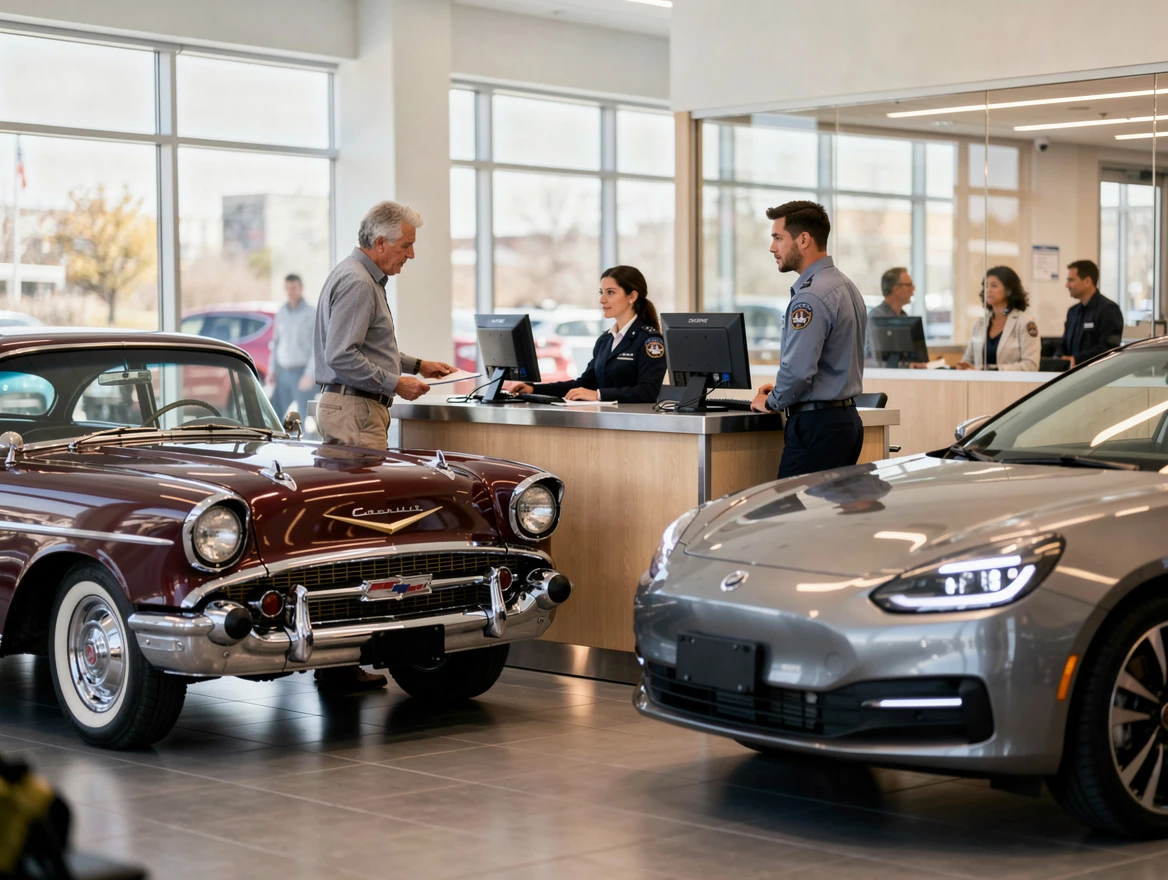
Choosing the right registration depends on your specific vehicle and how you plan to use it. Our team provides end-to-end support to help you move through the process efficiently, whether you are managing an exotic registration or a classic rebuild.
Ready to register your vehicle?
Join thousands of vehicle owners who use Ride Legal to handle their registration quickly.
Start Your bespoke Registration → →| Option | Typical Use Case | Registration Cost | Usage Limits |
|---|---|---|---|
| Standard Registration | Daily drivers, frequent weekend cruisers | Standard Rate | None |
| Antique/Historic Plates | Show cars, parades, occasional leisure | Reduced/One-time | Yes (Mileage/Time/Event) |
| Montana LLC | High-value vehicles, exotic collectors | Low/No Sales Tax | None |
A more detailed breakdown is available in No Sales Tax on Exotic Cars: How Montana LLC Registration Works for High-Value Vehicles. This resource explains why many owners of significant vehicles choose the Montana LLC route to manage their registration costs and title filing needs.
If your classic car was a project, you may also need to transfer your title from a previous state or rectify a lost title history. Our paperwork support ensures you do not get bogged down in administrative hurdles. When documents require corrections, we handle the resolution process for you. In fact, 54.8% of documents needing correction are resolved by our QC team without ever needing to contact the customer again (internal data, rolling last 90 days, n=84).
Navigating Title Transfers for Vintage Vehicles

Acquiring an antique car often means dealing with outdated paperwork. You might find a vehicle with an old bill of sale or a title that has not been transferred in decades. This is where our specialist assistance becomes invaluable. We can help you work through the process of obtaining a new, clean title, regardless of the vehicle's age or the state of the original documentation.
What to Do With Missing Documentation
Missing a title is a common issue with older cars. Do not panic if the original owner did not keep the necessary paperwork. We have experience handling bonded title applications and other recovery methods. Our team ensures your out-of-state title is handled correctly so you can move forward with your registration.
Avoiding Common Registration Pitfalls
The most frequent issue we see involves errors on the bill of sale or proof of ownership forms. The most frequent reason documents come back for correction is an incomplete or inaccurate Bill of Sale (rolling last 90 days, n=75). By letting us review your documents first, you avoid these common delays and make sure your paperwork meets all requirements the first time.
Frequently Asked Questions About Antique Vehicle Registration
Can I drive my antique car every day if I register it as a historic vehicle?
Generally, no. Most states that issue historic or antique plates explicitly state that the vehicle must be used for exhibitions, club activities, or parades. Driving a car with historic plates as a daily driver can lead to fines and the revocation of your specialized plates.
Does an antique car registration expire?
This depends on your state. Some states offer permanent registration for antique vehicles, meaning you never have to renew it. Others require a periodic renewal, although the fees for antique cars are often significantly lower than those for modern vehicles.
What is the age requirement for a car to be considered antique?
The definition of an antique or classic car varies by state. While some jurisdictions define a vehicle as antique once it reaches 20 or 25 years of age, others require the vehicle to be 30 years or older. You should check the specific age requirement for your local jurisdiction before applying for historic tags.
Do I need an inspection for an antique car registration?
In many states, antique vehicles are exempt from modern emissions testing and safety inspections due to their age. However, some states still require a basic safety check for lights, brakes, and turn signals to make sure the vehicle is safe to operate on public roads.
Can I keep my original vintage license plates?
Many states participate in Year of Manufacture (YOM) programs, which allow you to display original, restored, or period-correct license plates on your antique vehicle. You must usually register the plate number with the state's motor vehicle office to make sure it remains active and linked to your current registration.
How does an LLC registration help with antique cars?
If you have an extensive collection of antique and exotic vehicles, forming a Montana LLC can be a strategic way to manage your fleet registration. It centralizes your documentation, can provide potential tax benefits, and removes the need for recurring registration renewals in high-tax states. It is a powerful way to treat your car collection with the same professional care as any other asset.
Start Your bespoke Registration →Whether you are restoring a classic for Father's Day or maintaining a high-value collection, we make sure your paperwork is handled with precision. Our team provides the support you need to keep your vehicles on the road without the typical frustrations of the registration process. Start your journey with us today and experience a simplified way to register your vehicle.
This is not legal or financial advice. Please consult your CPA/Attorney for all legal and financial guidance. Ride Legal is a privately owned website and is not operated by any government agency.